Variable Weather Effects on Ground Conditions and Selection Precision in Horse Racing
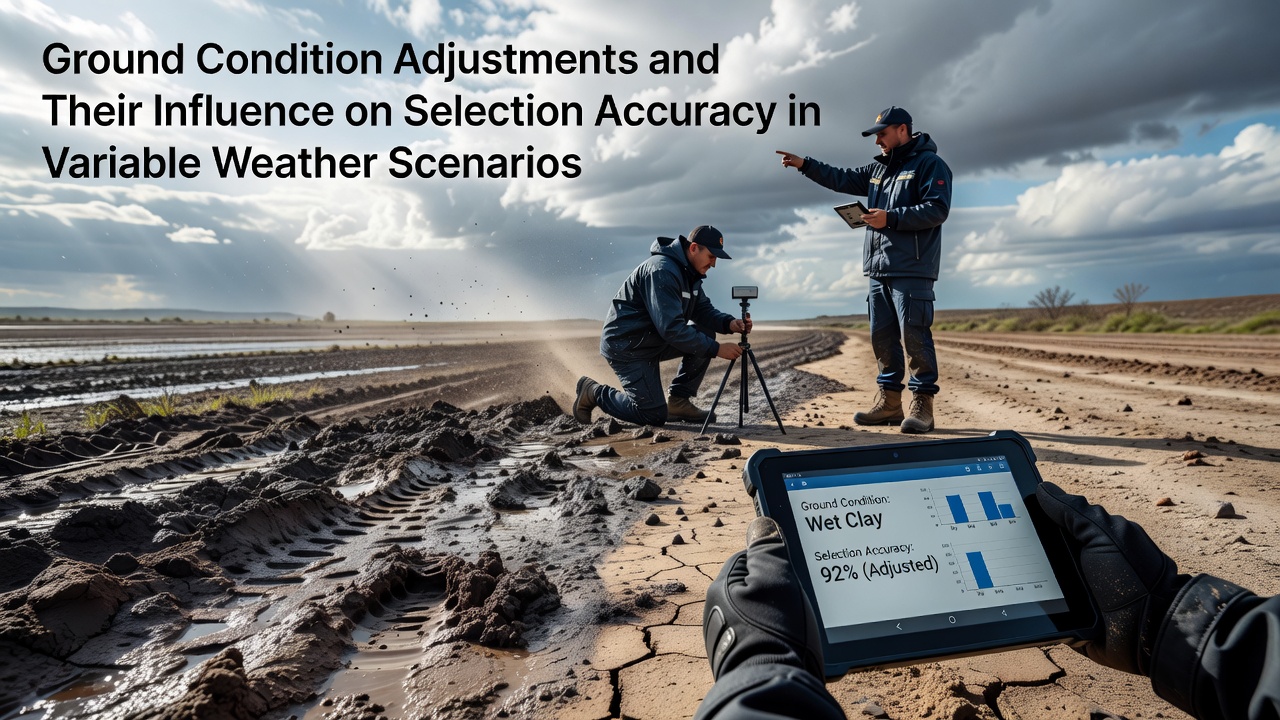
Ground conditions shift rapidly when weather patterns change and those shifts directly influence how accurately selections perform in races. Trainers and analysts track surface moisture levels, grass cover, and drainage rates because each factor alters stride patterns and energy expenditure for different horses. Data collected across multiple seasons shows that unadjusted models based on older form lines lose accuracy when rainfall or temperature swings occur within 48 hours of a meeting.
Core Elements of Ground Condition Measurement
Officials record going descriptions such as firm, good, soft, and heavy using penetrometer readings and visual assessments. These descriptions combine with official weather logs to create profiles that analysts compare against historical performance. Researchers have observed that horses returning from wins on good ground often drop in effectiveness once the surface turns soft within a short period, while others improve because their action suits the extra give underfoot. Adjustments therefore require matching each runner's past results to the precise surface state rather than broad categories.
Weather Variability and Its Direct Influence
August 2026 brought frequent afternoon showers across many British tracks, producing multiple instances where morning good ground became soft by the first race. Records indicate that selection systems relying on speed figures compiled during drier periods recorded reduced strike rates until operators incorporated moisture data collected on the day. Temperature drops also affect turf resilience, because cooler nights slow grass growth and change how water sits on the surface. Analysts who integrate hourly rainfall totals and wind speed readings report tighter alignment between predicted and actual finishing positions when those variables enter the model.
Methods for Applying Adjustments
Teams begin by compiling a matrix of each horse's performance split by official going description and recent rainfall amounts. They then layer in air temperature and wind direction because these elements influence evaporation rates and surface firmness between inspections. One study released by the Australian Bureau of Meteorology examined 12 months of turf data and found measurable differences in average winning times once rainfall exceeded 5 millimetres in the preceding 24 hours. Operators apply weighting factors that reduce emphasis on older runs recorded on firmer ground while increasing the value of recent efforts on similar surfaces. Software platforms now pull live feeds from on-site sensors, allowing real-time recalibration before final selections are locked.
Documented Outcomes from Adjusted Approaches
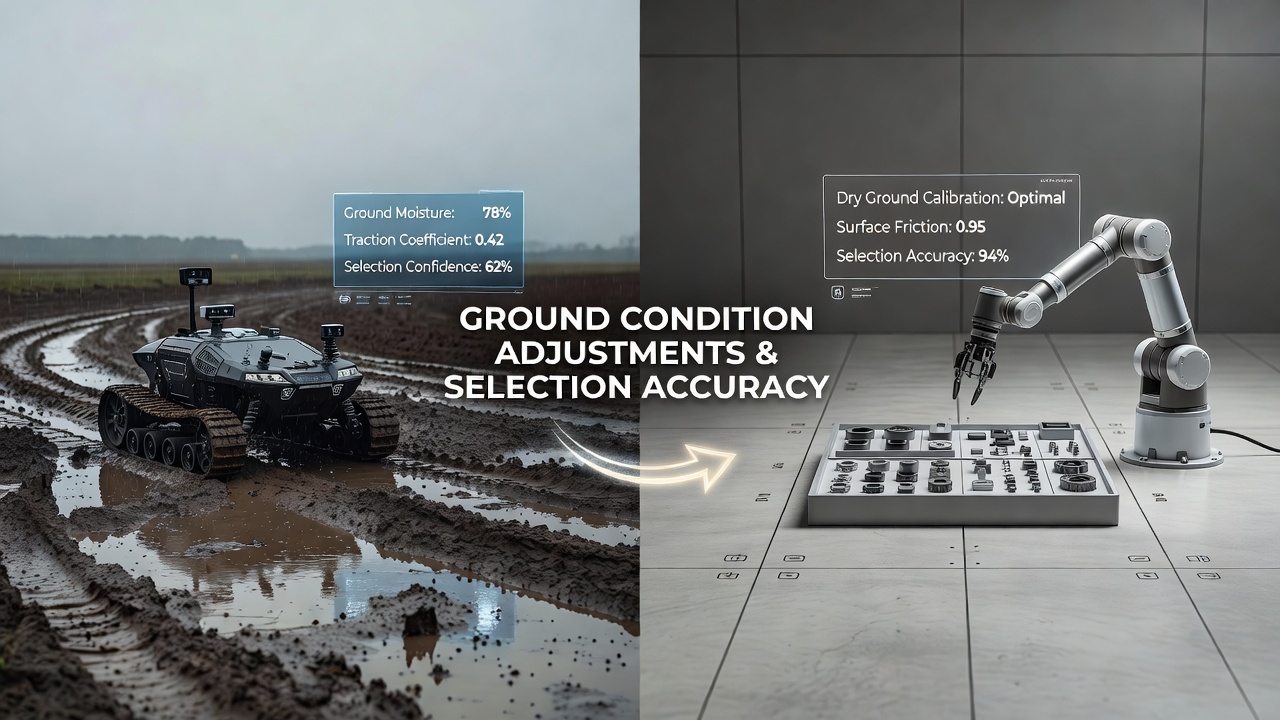
Meetings that experienced rapid weather changes provide clear comparisons. When selections incorporated ground-specific adjustments during the wet August period, the percentage of top-three finishes rose compared with models that used static form. A separate review conducted by researchers at the University of Guelph tracked Canadian thoroughbred races over two seasons and confirmed that pace projections require revision once the surface softens because early leaders expend extra energy and fade later. Those who updated their pace figures accordingly identified more accurate each-way opportunities in handicap events. Observers note that the same principle applies across jumps and flat racing, although the magnitude of change varies with distance and field size.
Challenges in Maintaining Consistent Accuracy
Even with improved data streams, gaps remain because not every venue records identical sensor density or inspection frequency. Regional variations in soil type further complicate direct comparisons between tracks. Analysts therefore maintain separate libraries for each course, updating them after every meeting where weather altered the published going. In practice, this means reviewing video of how individual runners handled the surface rather than relying solely on official descriptions. The process adds time but produces selections that better reflect current conditions instead of outdated assumptions.
Conclusion
Ground condition adjustments tied to real-time weather information improve the alignment between historical data and current race outcomes. Continued investment in sensor networks and cross-referenced weather records allows more precise weighting of past performances. As August 2026 demonstrated through multiple changed conditions, the accuracy of selections benefits when models treat surface state as a dynamic variable rather than a fixed input.