UKGC Licence Fees Rise 25 Percent from October 2026 to Close Funding Gap

The Department for Culture, Media and Sport confirmed that most operating licence fees, application fees and related permits issued by the UK Gambling Commission will increase by 25 percent starting October 1, 2026, while this adjustment directly targets the regulator's recurring structural funding deficit of around 4 million pounds each year, and the change arrives alongside separate cost pressures already affecting licensed operators across the betting and gaming sectors.
Breakdown of the Planned Adjustments
Operating licence fees cover the core permissions that allow companies to offer gambling services in Great Britain, whereas application fees apply when businesses seek new licences or variations to existing ones, and additional permit categories include remote operating permissions along with personal management licences, yet the 25 percent uplift applies across most of these categories according to the published government response, and the single date of October 1, 2026 provides a clear implementation timeline that gives operators roughly 15 months from the announcement to prepare internal budgets.
Addressing the Regulator's Annual Shortfall
The UK Gambling Commission currently faces an annual structural deficit of approximately 4 million pounds because existing fee levels no longer cover operational requirements that include enforcement activity, licensing processing and compliance monitoring, and the Department for Culture, Media and Sport selected the across-the-board percentage increase rather than targeted surcharges because it spreads the additional revenue evenly across the licensed population, while the measure avoids introducing new fee categories that could complicate administration further.
Additional Financial Pressures on Licensed Operators
Remote gaming duty rates have already risen in recent years, and the introduction of a statutory levy on gambling operators adds another fixed cost layer that companies must absorb, yet these measures operate independently of the licence fee changes scheduled for 2026, and together they create a cumulative increase in regulatory and tax obligations that operators must factor into pricing and product strategies well before the October deadline arrives.
Industry Response and Market Considerations
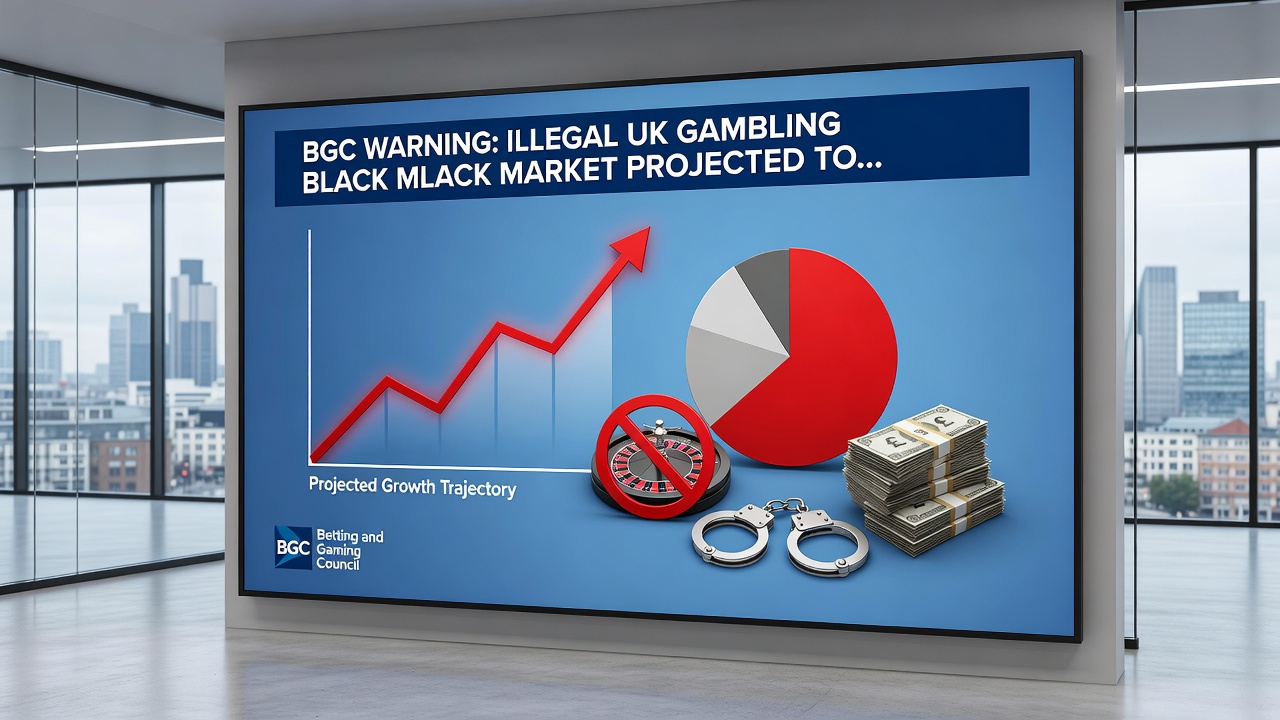
Trade bodies representing licensed betting and gaming companies have highlighted concerns that higher compliance costs could widen the competitive gap between regulated operators and unlicensed offshore platforms, and representatives note that illegal sites already operate outside the UK Gambling Commission's oversight while avoiding both fees and the statutory levy, whereas the licensed sector must meet strict standards on consumer protection, advertising and data security, and the 25 percent fee rise adds to those baseline expenses without directly addressing enforcement against black-market activity.
Timeline and Preparation Window
Although the formal increase begins in October 2026, preparatory work for operators starts earlier, and many businesses will review their fee forecasts during the first half of 2026 to align budgets with the new rates, while the Department for Culture, Media and Sport has indicated that the revised fee schedule will be published in full ahead of the implementation date so that companies can calculate exact cost impacts based on their individual licence portfolios.
Conclusion
The confirmed 25 percent rise in UK Gambling Commission fees from October 1, 2026, represents a direct response to a documented annual funding gap of around 4 million pounds, and it forms part of a broader set of cost increases that include remote gaming duty adjustments and the statutory levy, while industry participants continue to monitor how these combined pressures influence the balance between the regulated market and unlicensed alternatives.