UK Gambling Commission Advances Financial Risk Assessments for Operators
 On July 7, 2026 the UK Gambling Commission confirmed plans to roll out Financial Risk Assessments across betting operators, and this step follows an earlier pilot that tested data collection methods for evaluating customer affordability. The announcement sets a timeline for implementation while operators continue to examine how the requirements will integrate with existing compliance frameworks. The measure requires firms to conduct checks that assess financial risk indicators before allowing higher levels of play, and the Commission has adjusted certain thresholds upward from the pilot stage. Those adjustments reflect ongoing dialogue between regulators and industry representatives who flagged practical hurdles during the testing phase.
Details of the Commission Announcement
The regulator outlined that Financial Risk Assessments will become mandatory for all licensed betting operators, and the policy targets situations where customers may face affordability pressures. According to the July 7 statement the checks will draw on credit reference agency data, yet the Commission has not released a complete evaluation report from the pilot itself. Observers note that operators received notice of delayed rollout dates, and raised thresholds now apply to the points at which assessments must trigger.
The process aims to standardize how firms identify potential harm, and it incorporates data points such as income estimates and credit histories. Those who've studied the pilot documentation point out that consistency between different credit reference agencies remains an open question, since varying methodologies can produce divergent results for the same individual.Betting and Gaming Council Response
The Betting and Gaming Council responded immediately with a statement expressing deep disappointment over the decision, and the organization highlighted several unresolved issues that surfaced during the pilot. Betting and Gaming Council representatives cited data reliability concerns, noting that incomplete or mismatched records could lead to inaccurate risk profiles. Consistency across credit reference agencies emerged as another key point, because operators encountered discrepancies that complicated decision-making processes.
Potential consumer harm formed a central element of the critique, since abrupt restrictions might prompt some users to seek unregulated alternatives. The BGC also warned that risks of migration to illegal markets could increase if the assessments create friction for legitimate customers. Those concerns drew support from racing interests and other stakeholders who participated in consultations, and the lack of a full pilot evaluation served as evidence that earlier feedback warranted further review.Pilot Outcomes and Remaining Questions
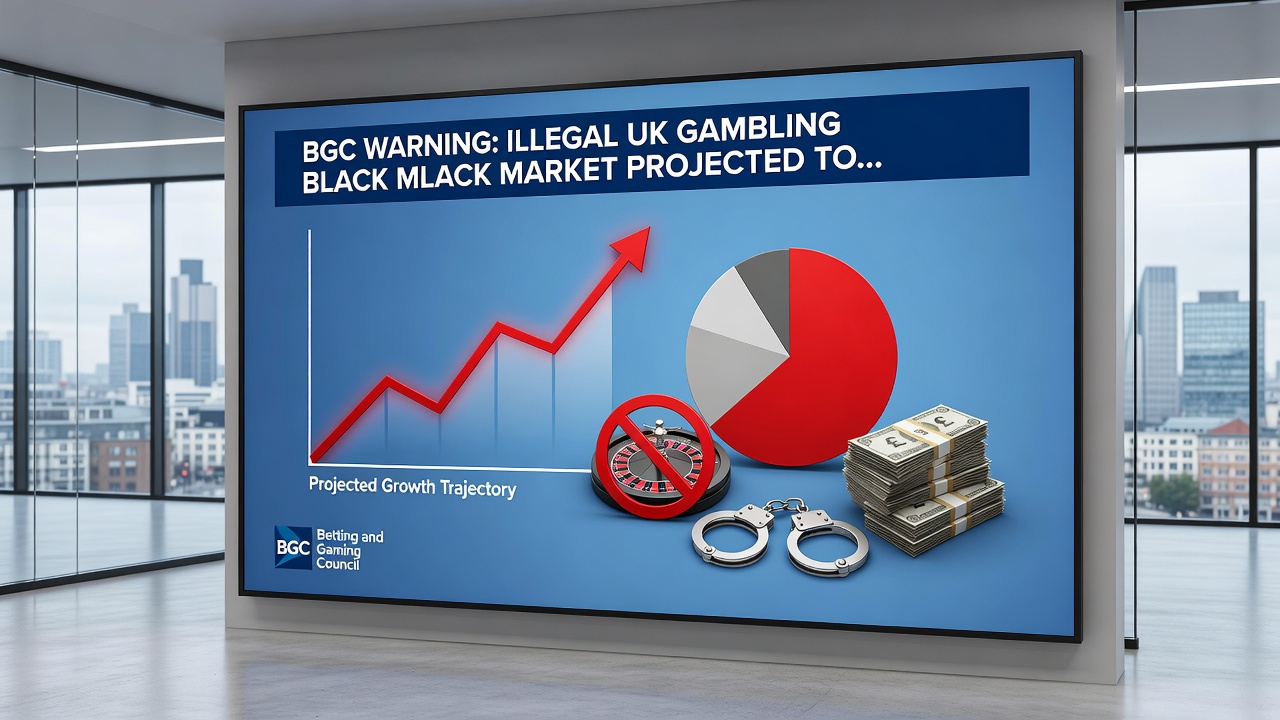 Turns out the pilot revealed gaps in data quality that operators had flagged before the July 7 announcement, and delays in the original schedule allowed additional time for those issues to surface. Raised thresholds now exclude some lower-stake activity from mandatory checks, yet the core requirement for higher-volume customers stays in place. Experts have observed that without the complete pilot report, questions linger about how effectively the chosen data sources capture real-world affordability. Racing interests joined the BGC in underscoring that abrupt changes could affect betting volumes on events they oversee, and the collective feedback emphasized the need for clearer alignment between credit agencies. People who've followed similar regulatory shifts in other sectors recognize that data consistency often determines whether new rules achieve their intended outcomes without unintended displacement.
Implications for Operators and Market Dynamics
Operators now face the task of updating systems to accommodate the assessments, and the Commission expects full compliance once the final implementation date arrives. The BGC statement noted that unresolved pilot findings leave room for refinement, and several firms have indicated they will continue discussions on data-sharing protocols. What's significant is how these checks will interact with existing responsible gambling tools already deployed across the sector.
The announcement positions the July 2026 decision as a progression from the pilot, while the BGC maintains that further evaluation would strengthen the framework. Observers note that the combination of raised thresholds and postponed timelines demonstrates responsiveness to industry input, even as core concerns persist around reliability and consumer impact.