Tying Together Muddy Tracks and Soggy Pitches: Data-Driven Approaches to Weather-Affected Betting Combinations
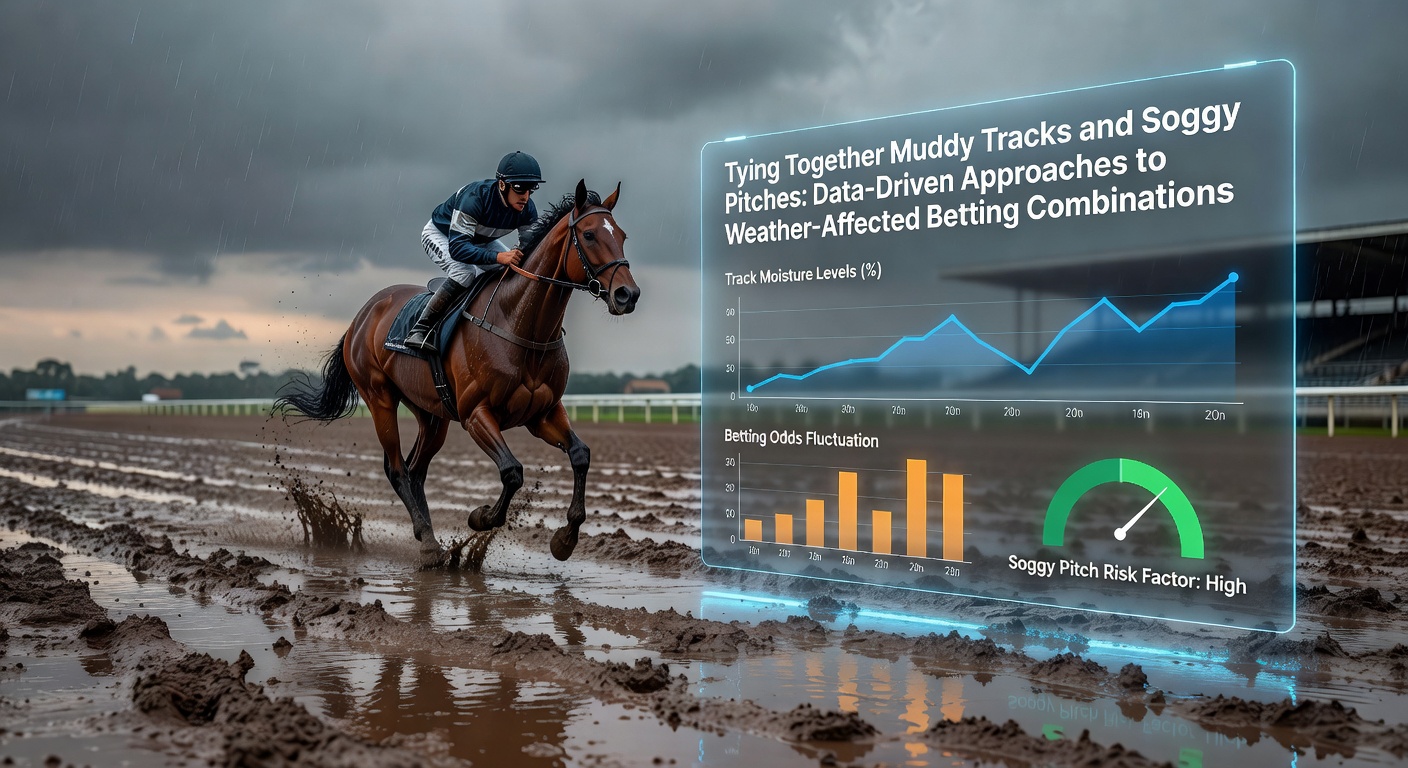
Weather reshapes outcomes across horse racing and football in measurable ways that data models now track with increasing precision, and analysts combine these signals to build multi-leg wagers that account for ground conditions shifting from firm to heavy or pitches turning waterlogged after prolonged rain. Heavy downpours slow thoroughbreds that lack stamina while favoring those with proven records on soft or heavy surfaces, whereas saturated football fields reduce passing accuracy and limit high-scoring games according to league-wide statistics compiled over multiple seasons.
Ground Conditions and Performance Metrics in Racing
Official going reports from racecourses detail how overnight rainfall alters surface firmness, and these reports feed directly into algorithms that compare historical results for trainers and jockeys under similar conditions. Data collected across British and Irish meetings shows that certain stables maintain higher strike rates when the ground turns soft, while others see win percentages drop sharply once the official going moves from good to yielding. Observers note that front-runners often hold advantages on rain-affected tracks because they avoid traffic and conserve energy before the ground breaks up further in later races.
Researchers cross-reference rainfall totals with sectional timing data to isolate horses that quicken despite the extra resistance, and these patterns appear consistently in long-term databases maintained by racing authorities. One study examined over 5,000 jumps races and found that trainers with specific preparation routines for wet weather produced 12 percent more winners than the seasonal average once ground conditions deteriorated. Such figures help shape accumulator selections that pair strong wet-ground performers with football markets where low totals become more likely.
Football Pitch Saturation and Scoring Trends
Persistent rain turns grass pitches into slippery surfaces that disrupt rhythm and reduce the number of shots on target, and league records confirm that matches played in heavy precipitation average 0.6 fewer goals than those on dry grounds. Analysts track these effects through weather station readings taken at stadium locations and match them against team styles that rely on quick transitions or set-piece volume. Teams with robust defensive records and low possession expectations tend to benefit when conditions favor physical battles over technical play, and this information integrates into betting models that forecast under-2.5 goal outcomes with greater accuracy during forecast wet periods.
Combining the Two Sports in Multi-Bet Structures
Betting operators allow accumulators that link racing legs with football selections, and data platforms now incorporate real-time weather forecasts to adjust implied probabilities before lines move. A punter might include a horse with a strong record on heavy ground alongside a football fixture where rain is expected to suppress scoring, creating a combination whose joint probability reflects correlated weather impacts rather than independent assumptions. Software tools pull rainfall predictions from meteorological services and overlay them on historical performance matrices so that bettors can weight selections according to the strength of the weather signal.

What's interesting is how these correlations strengthen during extended wet spells that affect multiple fixtures on the same day, and analysts have observed that joint probabilities shift noticeably when both codes operate under similar precipitation patterns. Figures from Australian racing authorities and European football analytics groups demonstrate that models incorporating live weather inputs outperform static form-based approaches by margins of 8 to 15 percent in simulated long-term returns. Those models also flag instances where non-runners become more likely in jumps races once ground conditions worsen, prompting bettors to use non-runner no-bet rules when constructing multis that span both sports.
Practical Data Sources and Integration Methods
Publicly available rainfall records from national meteorological agencies supply the raw inputs that power condition-adjusted ratings, while academic papers published by sports science departments examine the biomechanical effects of soft ground on equine stride length and player acceleration. Industry reports from racing and football governing bodies further detail how fixture schedules align with seasonal weather trends, allowing forecasters to anticipate clusters of affected meetings weeks in advance. One research paper from a Canadian university sports analytics group illustrated that combining surface moisture indices with team pressing statistics improved goal expectancy models during autumn and winter months when rainfall peaks.
Platforms aggregate these streams into dashboards that display adjusted odds alongside baseline figures, and users apply filters to isolate selections where weather exerts the strongest influence. This approach proves especially useful when building daily doubles or accumulators that cross codes, because the weather variable introduces measurable dependence between otherwise separate events. Observers note that successful practitioners update their models weekly with fresh going reports and pitch inspections rather than relying on seasonal averages alone.
Conclusion
Data-driven methods that tie muddy tracks to soggy pitches continue to evolve as more granular weather and performance records become accessible, and bettors who integrate these signals gain structured ways to evaluate combinations across horse racing and football. Continued advances in forecasting precision and historical database coverage support increasingly refined approaches without altering the fundamental requirement that selections rest on verifiable patterns rather than speculation.