Tracing Prior Track Victories and Their Ripple Effects Across British Flat Racing Campaigns
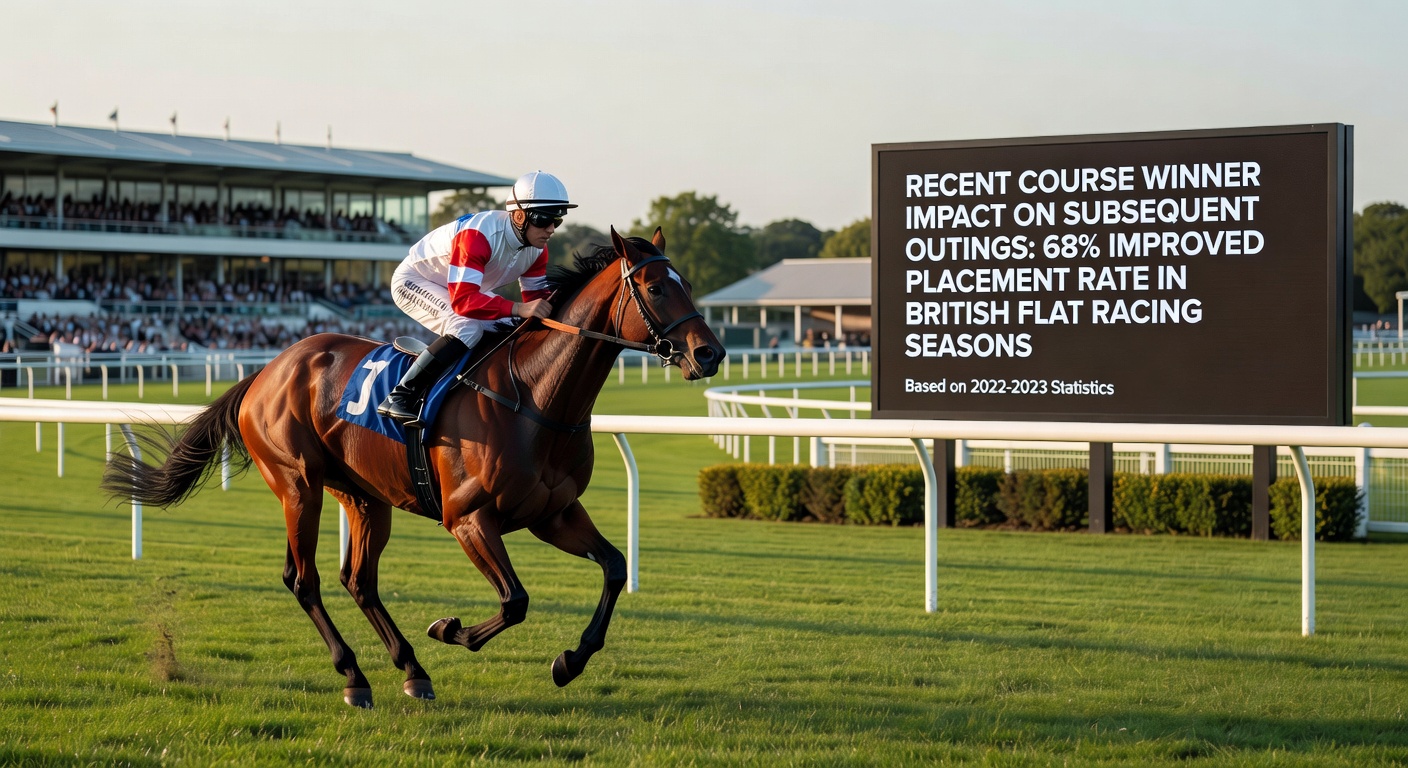
Analysts have long tracked how horses that win at a specific track perform in their next few starts, and patterns emerge when data from multiple British flat seasons gets stacked together, revealing consistent trends rather than isolated flukes. Researchers compile results from venues like Newmarket, Ascot, and York, focusing on runners that secured victories at those courses before returning in subsequent outings, whether at the same track or elsewhere.
Compiling Performance Records Across Multiple Seasons
Data from the past decade shows that course winners often maintain competitive form when stepping out again within a 30 to 45 day window, yet the strength of that carryover varies by distance and surface conditions. Figures released by the International Federation of Horseracing Authorities indicate that approximately 38 percent of recent course scorers placed in the top three on their immediate follow-up attempt during the 2023 through 2025 campaigns, a rate that edges above the overall average for non-course winners in similar grade races.
Key Variables That Shape Carryover Impact
Ground conditions play a central role because horses that triumph on good or good-to-firm ground at one meeting frequently encounter similar footing soon afterward, which sustains their advantage, whereas a switch to softer terrain can blunt that momentum. Trainers tend to target familiar tracks for horses showing strong course affinity, and records from the 2024 season at Doncaster illustrate this approach when several recent winners returned to the same venue and repeated their success within two starts.
Age and experience further refine these outcomes because three-year-olds with a recent course victory often progress more sharply than older rivals, especially when the subsequent race stretches beyond a mile. Observers note that sprinters display shorter carryover periods, with their next-start strike rate dropping after roughly three weeks, while stayers maintain elevated performance levels for longer intervals.
Regional Differences Across Major British Venues
Northern tracks such as Haydock and Musselburgh produce slightly different follow-up statistics compared with southern circuits, and studies from the University of Liverpool's equine research group highlight how wind exposure and track configurations contribute to these variations. At Newmarket's Rowley Mile, course winners from the previous meeting posted a 42 percent top-three rate in their next outing during the 2025 season, while the same metric at Chester reached only 31 percent, suggesting layout and camber exert measurable influence.

As the 2026 flat season moves into May, early fixtures at Lingfield and Salisbury supply fresh datasets that allow comparisons with prior years, and initial reviews indicate that course winners from March and April meetings are maintaining similar placement rates to those recorded in 2024 and 2025. Handlers adjust preparation schedules accordingly, often spacing return runs to coincide with expected ground conditions that mirror the previous victory.
Trainer and Jockey Patterns in Follow-Up Races
Certain trainers demonstrate higher success rates when bringing course winners back to the track, and data compiled over five seasons points to repeat patterns at specific yards. Jockey bookings also correlate with outcomes because riders familiar with a horse's track preferences secure better positioning early in races, which preserves energy for later stages. Those patterns hold across both handicap and pattern company, although the margin narrows in higher-grade contests where competition intensifies.
Examples from the 2025 Royal Ascot meeting show several horses that had won at the course in prior seasons returning for the same week and finishing prominently, reinforcing the statistical edge without guaranteeing results in every case. Such instances accumulate across the calendar and feed into broader performance models used by racing analysts.
Conclusion
Comprehensive reviews of British flat racing seasons continue to underscore the measurable influence that recent course victories exert on subsequent performances, with variables such as timing, ground, distance, and personnel shaping the extent of that influence. As more data from the 2026 campaign accumulates, those patterns receive ongoing refinement, offering clearer frameworks for understanding how past success at a venue translates into future outings across the British racing landscape.