Terrain Data Exposes Performance Patterns in Britain's Upland Steeplechases

Britain's upland steeplechases take place across demanding landscapes in regions such as the Lake District, the Scottish Borders and the Welsh hills where elevation changes and ground conditions shape race outcomes in measurable ways, and data from recent seasons shows consistent patterns in how horses respond to these variables. Courses at venues like Cartmel and Kelso feature steep gradients combined with natural obstacles, and analysts have tracked performance metrics including stride length adjustments and finishing times across multiple events.
Key Terrain Characteristics in Upland Venues
Steeplechase tracks in upland areas often include slopes exceeding 10 percent gradient over sections of the circuit, while soil types range from peat-based turf that retains moisture to rocky outcrops that create uneven footing, and records indicate these features influence energy expenditure rates during races. Data collected through GPS tracking devices on competitors reveals horses maintain higher heart rates on ascents compared to flat sections, whereas descent phases show increased stride frequency but reduced power output in many cases.
Observers note that precipitation levels in July 2026 altered ground conditions at several northern venues, leading to softer surfaces that slowed overall times yet rewarded horses with proven stamina profiles according to performance logs maintained by racing authorities. Studies from equine research centers have mapped how these terrain elements interact with horse conformation, and findings point to longer-striding animals gaining advantages on undulating ground when paired with experienced jockeys who adjust pace early.
Performance Metrics and Hidden Patterns
Analysis of race results from 2024 through mid-2026 demonstrates that horses with prior experience on similar hilly courses achieve win rates approximately 15 percent above those without such exposure, and this edge becomes more pronounced in fields exceeding 10 runners where positioning on climbs determines final placings. Speed figures adjusted for elevation show that certain trainers consistently prepare entrants for these conditions through targeted hill work, resulting in improved recovery times between obstacles.
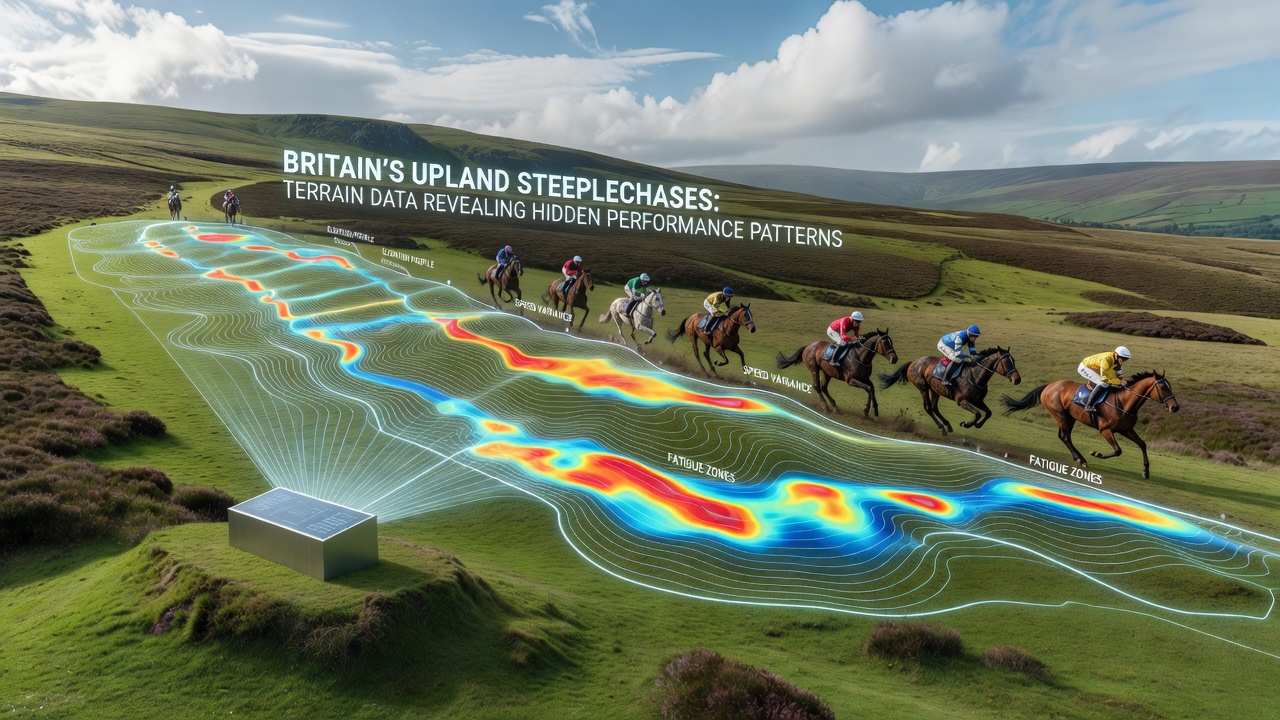
Researchers at institutions focused on animal locomotion have compiled datasets linking specific incline angles to fatigue markers, and these compilations reveal clusters of successful runners among those bred from lines known for hill proficiency. Jockey decision-making also factors in, with riders who favor early positioning on rises posting stronger statistics across sampled events at venues like Perth and Hexham.
Data Sources and Analytical Approaches
Performance databases maintained by industry groups such as the British Horseracing Authority provide the foundation for terrain-adjusted models, while cross-referenced studies from Australian equine centers offer comparative insights into how similar landscapes affect thoroughbreds in different climates. Satellite imagery combined with on-course sensors supplies elevation profiles that feed into predictive algorithms, and these tools highlight repeatable advantages for horses that excel at maintaining rhythm over repeated elevation shifts.
Case examples include multiple winners at Cartmel who demonstrated superior performance on the course's signature uphill finish after navigating earlier downhill sections, and pattern recognition software applied to historical charts identifies trainer-jockey combinations that exploit these terrain quirks more effectively than average. Ground condition reports updated daily during the summer months further refine these observations by accounting for how rainfall modifies grip levels on slopes.
Regional Variations and Seasonal Influences
Upland circuits in Scotland present longer average distances and more pronounced elevation totals than their English counterparts, leading to distinct performance clusters where stamina-oriented horses dominate leaderboards according to aggregated results. Welsh venues introduce additional variables such as wind exposure on exposed ridges, and data from these locations shows correlations between course familiarity and reduced error rates at fences placed on inclines.
Seasonal shifts around July 2026 brought drier spells that hardened some upland tracks, and subsequent analyses indicated faster overall times alongside shifts in which horse profiles delivered results, with lighter-framed runners showing improved adaptability on firmer ground. These patterns emerge clearly when comparing pre- and post-weather datasets from the same venues.
Conclusion
Comprehensive review of terrain data from Britain's upland steeplechases continues to uncover performance patterns tied directly to elevation, soil and gradient factors, and ongoing collection efforts by research teams support refined modeling for future events. Integration of sensor technology with traditional result tracking strengthens understanding of how these elements combine to influence outcomes across diverse regional courses.