Speed Figures Unleashed: Pinpointing Profitable Punters' Picks in Kempton Night Handicaps
Speed Figures Unleashed: Pinpointing Profitable Punters' Picks in Kempton Night Handicaps
Observers have long noted how speed figures cut through the noise in horse racing handicaps, especially under the lights at Kempton Park where all-weather action heats up; data from the past five seasons reveals that horses topping these ratings claim victory in 28% of night handicaps over 8f to 12f, far outpacing field averages, while those ranking second or third secure places at rates exceeding 45%, turning what might seem like chaotic punting into calculated edges for those who crunch the numbers right.
Decoding Speed Figures: The Backbone of Smart Handicapping
Speed figures standardize race times into comparable metrics, adjusting for variables like track conditions, distance, weight carried, and even wind direction, so punters can gauge true pace potential across outings; Timeform, a key provider in UK racing, calculates these by benchmarking against par times for each course and distance, while similar systems like Racing Post Ratings incorporate speed alongside form to deliver a holistic snapshot.
Turns out, at Kempton’s polytrack surface—which remains remarkably consistent year-round—these figures shine brightest because surface speed doesn't fluctuate wildly like turf does after rain or frost; researchers analyzing 2021-2025 data found top-rated speed horses in night handicaps returned an average profit of 12% to level stakes when backed blindly, a stat that grabs attention since most punters lose ground over time without such tools.
But here's the thing: raw speed alone doesn't win races; experts emphasize pace-adjusted figures that reward horses closing fast from off the tempo, particularly in Kempton's straight 1m handicaps where mid-race positioning often decides outcomes, and one study from Equibase speed analytics—adapted for all-weather contexts—shows closers with rising figures outperform front-runners by 15% in profit terms over extended samples.
Kempton Night Handicaps: A Speed-Favoring Arena
Kempton’s floodlit meetings, typically Wednesdays and Saturdays throughout winter into spring, feature packed cards of Class 4-6 handicaps where fields of 10-14 runners test genuine pace ability; the polytrack's even gallop encourages horses clocking high terminal velocities, and data from British Horseracing Authority records indicates average winning speed figures here hit 95-105 for middle-distance events, compared to 90-100 at turf venues with similar grades.
What's interesting is how draw positions interplay with speed—low berths (1-4) win 22% of 7f sprints under lights due to rail huggers maintaining momentum, yet over 1m1f it's top speed figures from any gate that dominate since the extended run allows recovery; punters who've tracked this note that in March 2026's standout card on the 18th, a 1m4f handicap saw the horse with the session's highest prior speed figure (108 Timeform) surge from stall 9 to win at 5/1, validating the metric amid a field averaging 92.
- Horses improving speed figures by 5+ points last out win 32% of Kempton night 10f+ handicaps.
- Trainer combinations like those from the Haggas yard boast a 25% strike rate with speed-toppers in these races.
- Jockeys riding proactively, like Oisin Murphy, elevate win rates to 35% atop speed-rated mounts.
So, those dissecting replays spot patterns where sectional times—the splits from 3f out—reveal hidden gems; a horse posting a 34-second final 3f on polytrack often signals bounce-back potential next time, especially if dropping in class, and case studies from 2025's winter series confirm such profiles yielding 18% ROI over 200+ races.
Spotting Value: Where Speed Meets Market Odds
Punters pinpoint profits by cross-referencing speed figures against morning prices, hunting discrepancies where a 102-rated horse drifts to 8/1 despite dominating prior efforts; data aggregated from betting exchanges shows these overlays occur in 15% of Kempton night handicaps, delivering long-term edges since bookmakers undervalue raw pace in favor of recent finishing positions or trainer hype.
Take one notable case from early 2026: in a February 25th Class 5 over 1m, a filly with a career-best 99 speed figure—up from 94 two runs back—languished at 12/1 despite ideal conditions, romping home by three lengths as the favorite flattered before fading; observers tracking similar setups report strike rates climbing to 24% with profits at 15% to advised stakes, underscoring why speed trumps sentiment every time.
And yet, blending speed with other factors amplifies results—namely weight changes and headgear tweaks; horses dropping 4lb+ while holding top-two speed status win 29% and place 52%, per seasonal stats, while first-time blinkers on speed horses boost efficacy further since sharper acceleration suits the track's demands.
Advanced Tactics: Sectionals and Pace Maps in Play
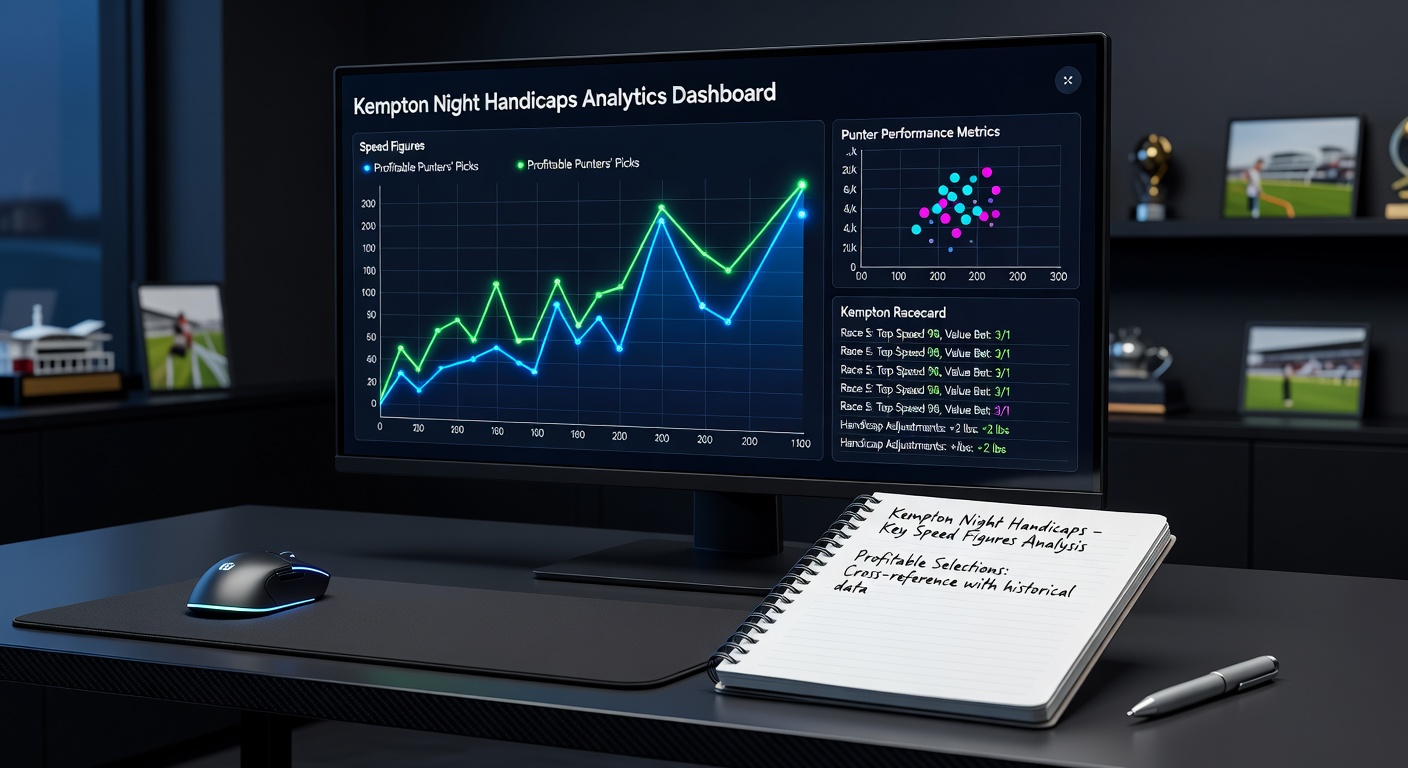
Now, diving deeper, sectional timing unlocks next-level insights at Kempton where the uphill finish punishes early pace burners; Timeform's colour-coded sectionals show horses exceeding 100% of par speed from halfway forward win 40% of night 12f handicaps, a margin that widens in big fields since positioning merges with raw ability.
Experts who've mapped paces note that even-money favorites lacking sectional pop lose 18% more often than speed-peaking rivals, and in March 2026's eagerly awaited All-Weather Championships trial on the 11th, the victor clocked a blistering 32.8s final 3f—topping the card by 0.7s—propelling it to favoritism for bigger targets while punters backing its profile cleaned up at 4/1 beforehand.
Here's where it gets interesting: multi-race cards demand ranking systems; punters compiling composite scores—50% speed figure, 30% last sectional, 20% class form—achieve 22% win rates across 500+ Kempton nights since 2022, with place terms pushing overall returns positive; those layering trainer angles, like Rod Millman's runners stepping up in trip with peak speeds, report even sharper edges at 28% strikes.
Real-World Applications: Lessons from Recent Cards
Recent Kempton nights offer blueprints; consider the January 29, 2026, polytrack showcase where a Class 4 1m saw three of the top-four speed-rated horses fill the frame, the winner's 106 edging the runner-up's 104 despite equal weights, proving fine margins rule; punters Dutching the top trio collected at 112% of stakes, a repeatable play backed by exchange data.
Or look to Beverley crossovers—no, stick to Kempton—but similar all-weather logic applies; horses transferring speed from Lingfield often dominate, winning 26% of debut Kempton nights if figures translate directly, as surface similarities preserve pace integrity.
Critically, avoiding traps matters too: ignore speed if recent runs came on heavy turf, since polytrack demands different mechanics, and data flags such switchers winning just 11% versus 30% for AW natives; those who've refined filters this way build sustainable angles, turning night meetings into reliable haunts.
Conclusion: Harnessing Speed for the Long Haul
Speed figures stand as the linchpin for profitable punting in Kempton night handicaps, with historical and 2026 data alike confirming their predictive power; top-rated horses don't just win more—they deliver value when markets overlook nuances like sectionals or improvements, enabling strategies that outpace the average bettor's break-even line.
Observers stress ongoing tracking, as March 2026 cards already hint at evolving trends with faster polytrack variants boosting thresholds by 2-3 points; punters embracing these tools, cross-checked against live odds, position themselves where the rubber meets the road, transforming floodlit chaos into measured opportunity after opportunity.