Regional Adjustments in Handicapping All-Weather Performers Throughout Winter Racing Fixtures
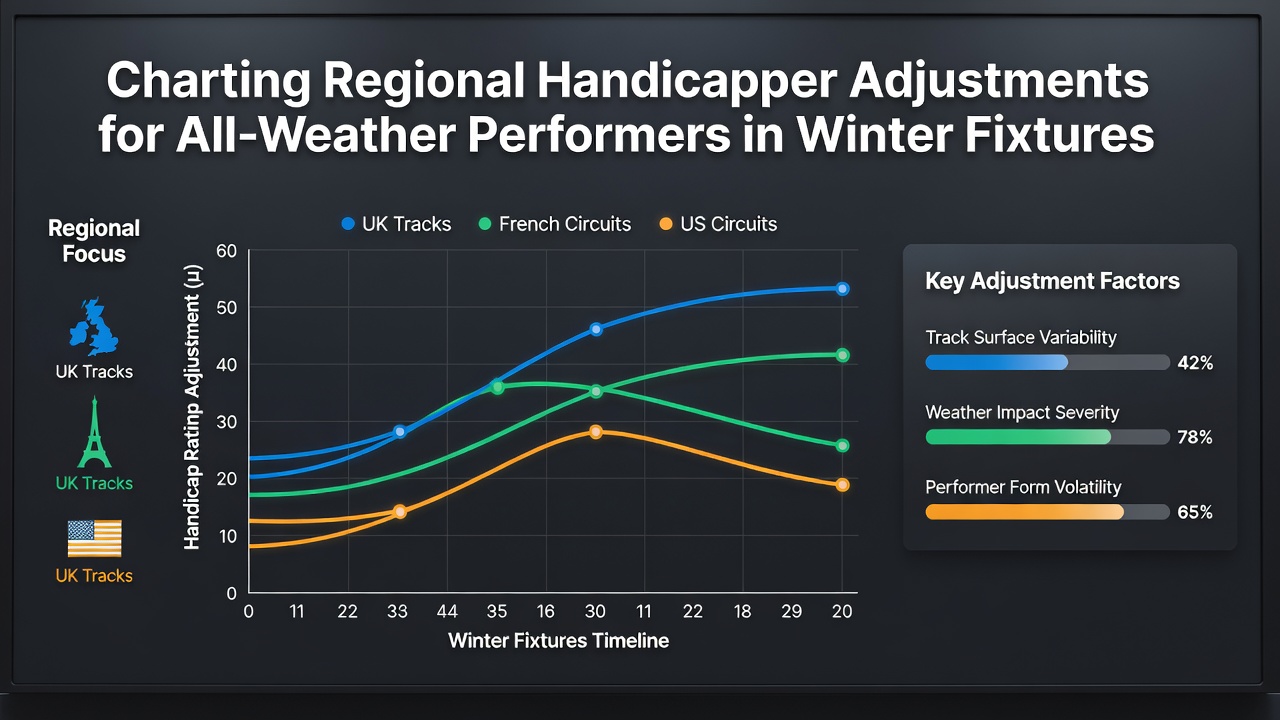
Handicappers across different racing jurisdictions apply distinct methodologies when evaluating all-weather performers during winter fixtures, and these variations create measurable patterns in official ratings that affect race planning and performance analysis. Data from multiple seasons shows that northern and southern regions often diverge in how they factor surface conditions, race distances, and seasonal variables into final assessments.
Core Principles Behind All-Weather Handicapping
Winter fixtures on synthetic surfaces present unique challenges because temperatures drop and track maintenance routines shift, which influences how horses carry their form into subsequent starts. Handicappers examine speed ratings from previous outings while incorporating adjustments for pace scenarios that frequently arise on polytrack or tapeta surfaces, and they cross-reference these figures against regional benchmarks established over several years of data collection.
Observers note that all-weather specialists tend to receive tighter rating bands in areas where winter racing volume stays high, whereas regions with fewer synthetic meetings allow more flexibility in initial assessments. This approach stems from historical performance records that highlight how certain horses adapt differently when moving between venues with varying banking and drainage systems.
How Regional Practices Shape Rating Changes
Northern circuits frequently apply conservative upward adjustments after strong winter runs, reflecting the denser competition levels that characterize those meetings, while southern authorities sometimes grant more lenient rises when field sizes remain smaller. Researchers tracking these trends across multiple seasons discovered that horses returning from northern all-weather wins often carry an extra pound or two compared to their southern counterparts with identical speed figures.
Comparative studies conducted by racing analysts reveal consistent differences in how handicappers treat debut all-weather performers, particularly those transitioning from turf. In one documented case, a horse achieving a similar time figure at a northern venue received a three-pound higher mark than an equivalent performer at a southern track, highlighting the impact of local race patterns and sectional timing data.
Winter Fixture Trends and Data Patterns
Performance records from the past five winter campaigns indicate that horses with proven tapeta experience accumulate rating increases at a steadier rate than those competing primarily on polytrack, and this distinction becomes more pronounced after the December period when ground conditions stabilize. Those who've examined sectional data across venues point out that pace collapses occur more often at certain northern tracks, prompting handicappers to moderate subsequent marks accordingly.
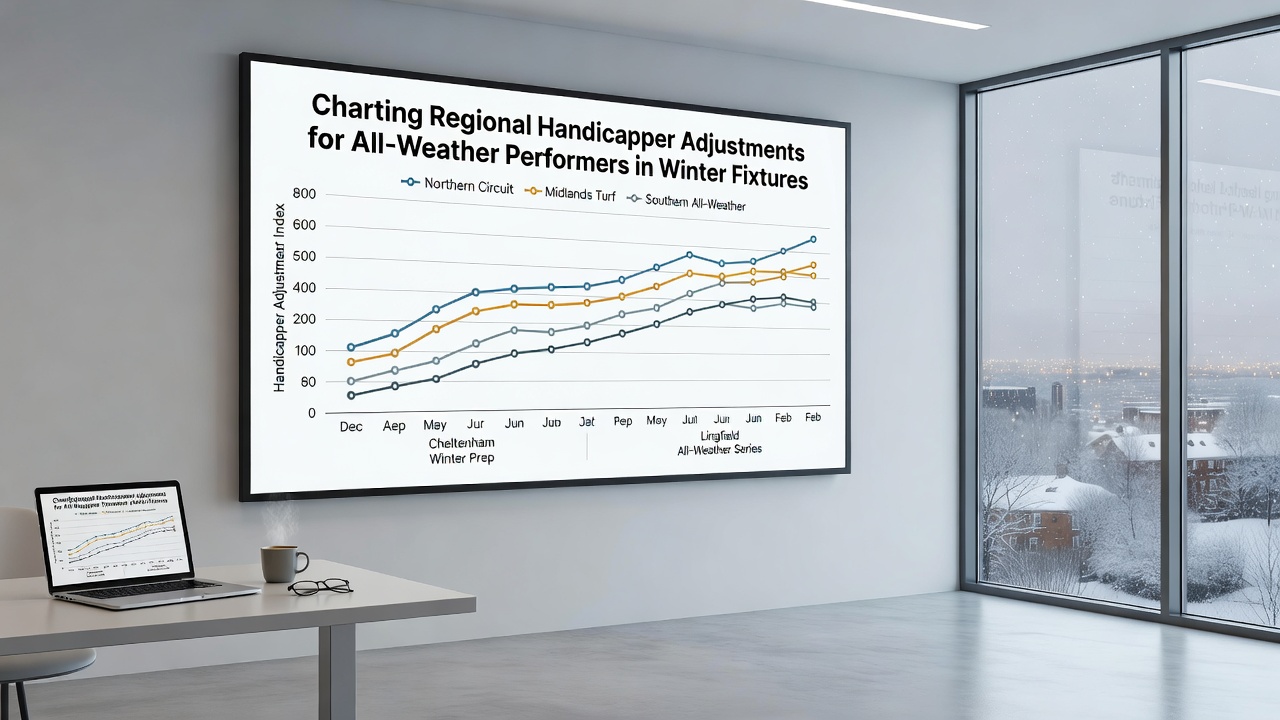
June 2026 schedules released by several racing authorities show expanded all-weather programs in both northern and southern regions, which will likely influence how handicappers calibrate adjustments for horses carrying winter form into the following season. Early projections suggest additional fixtures could lead to finer-grained regional comparisons, especially for horses that compete across multiple circuits.
Practical Applications for Performance Tracking
Trainers and owners monitor these regional discrepancies when targeting specific winter meetings, since a horse's official mark directly determines eligibility for future contests. Evidence from industry reports compiled by groups such as The Jockey Club demonstrates that systematic tracking of rating movements helps identify horses whose marks may lag behind actual ability after regional transfers.
Additional insights emerge when analysts compare all-weather ratings against international benchmarks, including data from Racing Australia studies on synthetic surfaces in varying climates. These cross-jurisdictional reviews highlight how temperature fluctuations and maintenance schedules alter the interpretation of raw speed figures, leading to more nuanced adjustment protocols in established racing centers.
Conclusion
Regional handicapper adjustments for all-weather performers in winter fixtures reflect a combination of historical data, local race characteristics, and evolving fixture schedules that shape official ratings over time. Continued analysis of these patterns provides a clearer framework for understanding performance shifts as winter campaigns progress into subsequent seasons.