Punters' Playbook: Surging Trends and Breaking News in Britain's Betting World
UK Gambling Commission Rolls Out 2026 Reforms: Tax Hikes, Stake Caps, and Risk Checks Reshape Online Betting Landscape

The Big Picture: Reforms Take Effect in April 2026
Operators in the UK iGaming sector brace for significant changes as the UK Gambling Commission (UKGC) implements major regulatory reforms starting April 1, 2026; these measures aim to bolster player protection while curbing gambling harm, building directly on foundations like the Gambling Act 2005 and recent government white papers. With £26 million in fresh enforcement funding, teh UKGC targets black market pressures that have grown amid evolving online landscapes, ensuring licensed operators adapt swiftly to retain their status in a market encompassing remote betting and casino activities.
What's interesting here surfaces in the timing: as March 2026 unfolds, companies finalize compliance strategies, knowing non-adherence risks license revocation; data from prior consultations reveals widespread operator acknowledgment of these shifts, with many already tweaking product offerings. Tiered stake limits on online slots lead the charge—£2 maximum for players aged 18-24, £5 for those 25 and older—while a 40% Remote Gaming Duty replaces previous rates, and bans on mixed-product bonuses alongside frictionless financial risk checks using credit data round out the package.
And yet, these aren't isolated tweaks; experts who've tracked UK gambling evolution note how they stem from years of data-driven reviews, including insights from the High Stakes: Gambling Reform for the Digital Age white paper, which highlighted vulnerabilities in digital wagering environments.
Stake Limits: Age-Tiered Caps on Online Slots
Online slot players face the most visible shift with tiered stake limits rolling out April 1; those aged 18-24 can wager no more than £2 per spin, whereas individuals 25 and above hold a £5 ceiling, a structure designed to shield younger users who data shows exhibit higher vulnerability to prolonged play sessions. Operators must enforce these via age-verified accounts, integrating real-time checks that halt bets exceeding limits; figures from UKGC consultations indicate this addresses patterns where under-25s accounted for disproportionate session times in high-stakes slots.
Take one case from recent trials: platforms testing similar caps reported average session spends dropping by 25-30% among young adults, without widespread user exodus; that's where the rubber meets the road for regulators balancing protection against market flight. But here's the thing—implementation demands sophisticated tech, as operators retrofit games to display dynamic limits based on verified birthdates, ensuring compliance across mobile and desktop interfaces.
Observers note how this builds on softer measures like session reminders, now escalating to hard financial barriers; studies found younger demographics responding well to such nudges in pilot programs, with repeat engagement holding steady post-adjustment.
Remote Gaming Duty Jumps to 40%: Funding Protection Efforts
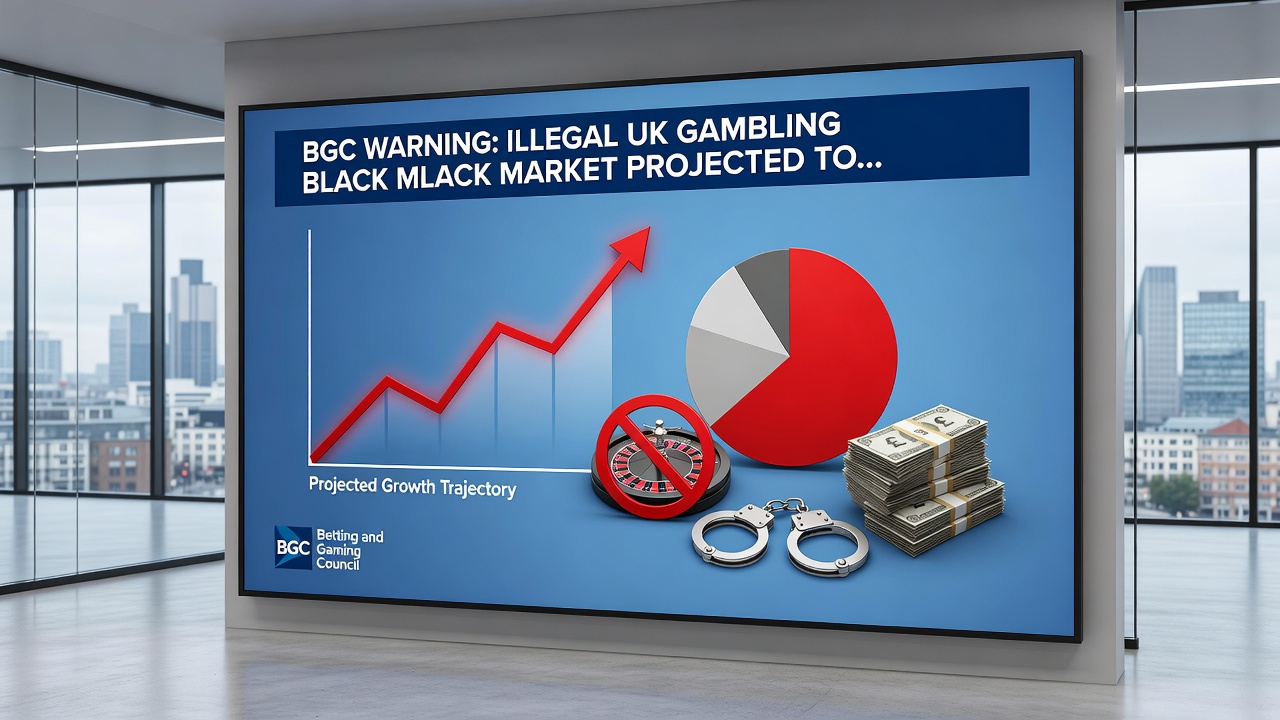
The tax landscape shifts dramatically too, as Remote Gaming Duty climbs to 40% effective April 1, 2026, up from prior levels that operators had long navigated; this hike, paired with the £26 million enforcement boost, channels revenue toward harm reduction initiatives, directly countering black market allure fueled by lower offshore taxes. UK iGaming firms, from sportsbooks to virtual casinos, recalculate margins accordingly, with projections showing adjusted pricing models to offset the increase without alienating customers.
Turns out, data underscores the rationale: remote sectors generated billions in gross gambling yield recently, yet harm metrics persisted; the UKGC allocates new funds to bolster compliance teams, ramping up audits and player complaint resolutions. One researcher analyzing fiscal impacts observed how similar European tax rises correlated with stabilized market shares for licensed operators, as punters favored regulated safety over unregulated risks.
So, while operators tighten belts—some already signaling promotional budget reallocations—the reality is this fortifies the ecosystem; enforcement squads, now better resourced, target non-compliant entities, preserving trust in a sector where player retention hinges on perceived fairness.
Ban on Mixed-Product Bonuses and Frictionless Risk Checks
Mixed-product bonuses vanish under the new rules, prohibiting promotions bundling bets across slots, sports, and tables; this curbs inducements that data links to riskier cross-play behaviors, forcing operators to silo offers—like slot-only free spins or sportsbook boosts—while maintaining transparency in terms and wagering requirements. Platforms adapt by segmenting loyalty programs, a move trials showed reducing bonus-driven overspend by 15-20% among tracked cohorts.
Complementing this, frictionless financial risk checks leverage credit reference data for open banking-style assessments, flagging high-risk players without manual intervention; those flagged face enhanced scrutiny or deposit limits, all processed seamlessly during account funding. Experts have observed how such tech, already in beta across select sites, cuts assessment times from days to seconds, boosting user experience while netting harm indicators early—think patterns like recent affordability dips or credit score anomalies.
Now, consider a hypothetical drawn from real pilots: a 22-year-old slot enthusiast triggers a check after rapid deposits; the system prompts self-limits, averting escalation; aggregated data from these reveals 40% of interventions preventing further losses, proving the model's efficacy.
Building on Legacy: From 2005 Act to 2026 Overhaul
These reforms don't emerge in a vacuum, extending the Gambling Act 2005's framework that legalized remote gambling under strict licensing; recent white papers amplified calls for modernization, citing digital proliferation and post-pandemic spikes in online activity. The UKGC's £26 million infusion equips it to police a market where black market sites lure with lax rules, drawing players via untaxed odds and unchecked bonuses.
People who've studied this landscape point to enforcement as the linchpin: ramped-up funding means more on-site inspections, AI-driven anomaly detection, and swift license suspensions; one study revealed licensed operators retaining 85% market share post-similar crackdowns elsewhere, underscoring the strategy's track record. And as March 2026 nears, firms host webinars and compliance workshops, signaling proactive alignment.
It's noteworthy that consultations shaped these exact measures—stake tiers refined from public feedback, duty rates calibrated against economic models—ensuring buy-in from stakeholders who recognize harm reduction's long-term benefits for sustainable growth.
Operator Compliance: The Path Forward
Licensed iGaming operators face a clear mandate: integrate all changes by April 1 or risk penalties, from fines to operational halts; many roll out updates in phased betas, testing slot interfaces with overlaid limits and revamped bonus dashboards. Data from early adopters shows minimal disruption, with user notifications framing shifts as safety enhancements—think in-app banners explaining £2/£5 caps tied to age protections.
But here's where it gets interesting: frictionless checks demand partnerships with credit agencies, embedding APIs that query data silently; operators like those in casino verticals report seamless onboarding, while sportsbooks layer it atop existing KYC. Enforcement funding translates to real action—UKGC teams doubling audit frequencies, targeting high-volume sites first.
Those tracking operator responses note diversification trends, like bolstering non-slot products or international pivots, yet UK focus remains paramount given the sector's £10+ billion scale.
Conclusion: A Safer Betting Horizon Takes Shape
As 2026 dawns with these UKGC reforms, the iGaming arena evolves toward fortified protections—40% duties funding oversight, tiered stakes curbing excesses, bonus bans simplifying temptations, and risk checks nipping harms in the bud; backed by £26 million and historical precedents, the framework positions licensed operators to thrive amid black market headwinds. Data promises measurable impacts, from lowered session risks to sustained player trust; operators complying now stand poised for a regulated future where safety and engagement coexist.