Prediction Markets Draw Growing Attention from UK Bettors Ahead of 2026 Events

Interest in US-style prediction markets has increased among UK participants in July 2026, with platforms such as Polymarket attracting attention ahead of the 2026 World Cup and several political byelections including the one in Clacton. Data from regulatory discussions shows users accessing these platforms despite restrictions set by the UK Gambling Commission and the Financial Conduct Authority.
Regulatory Framework in Place
The Gambling Commission requires operators offering sports-related trading contracts to hold appropriate licences, while the FCA maintains a ban on binary options and similar products that function like certain prediction contracts. Observers note that these rules aim to protect consumers and maintain market integrity, yet reports indicate continued access through alternative methods. Those who've studied the sector point out that enforcement focuses on licensed activities within the jurisdiction, whereas offshore platforms operate outside direct oversight.
Events Fueling Participation
The upcoming 2026 World Cup and byelections such as Clacton have coincided with higher search volumes and account activity on prediction market sites. Studies of market data reveal spikes in trading around political and sporting outcomes, with volumes compared against the established UK sports betting sector that generates billions in annual stakes. Researchers have documented how event-driven interest leads to temporary surges in engagement, particularly when outcomes carry both entertainment and financial elements.
Access Methods Observed
Users reportedly rely on VPN services to mask location and cryptocurrency deposits to fund accounts on platforms based overseas. Evidence suggests these approaches allow circumvention of geo-blocks and traditional payment restrictions, although the Gambling Commission has issued warnings about unlicensed operators. Figures from industry monitoring indicate that crypto transactions can reach platforms quickly, while VPN usage has become more common among those familiar with digital tools. One analysis of transaction patterns found increased crypto activity tied to prediction contracts during high-profile events.
Volume Comparisons and Market Scale
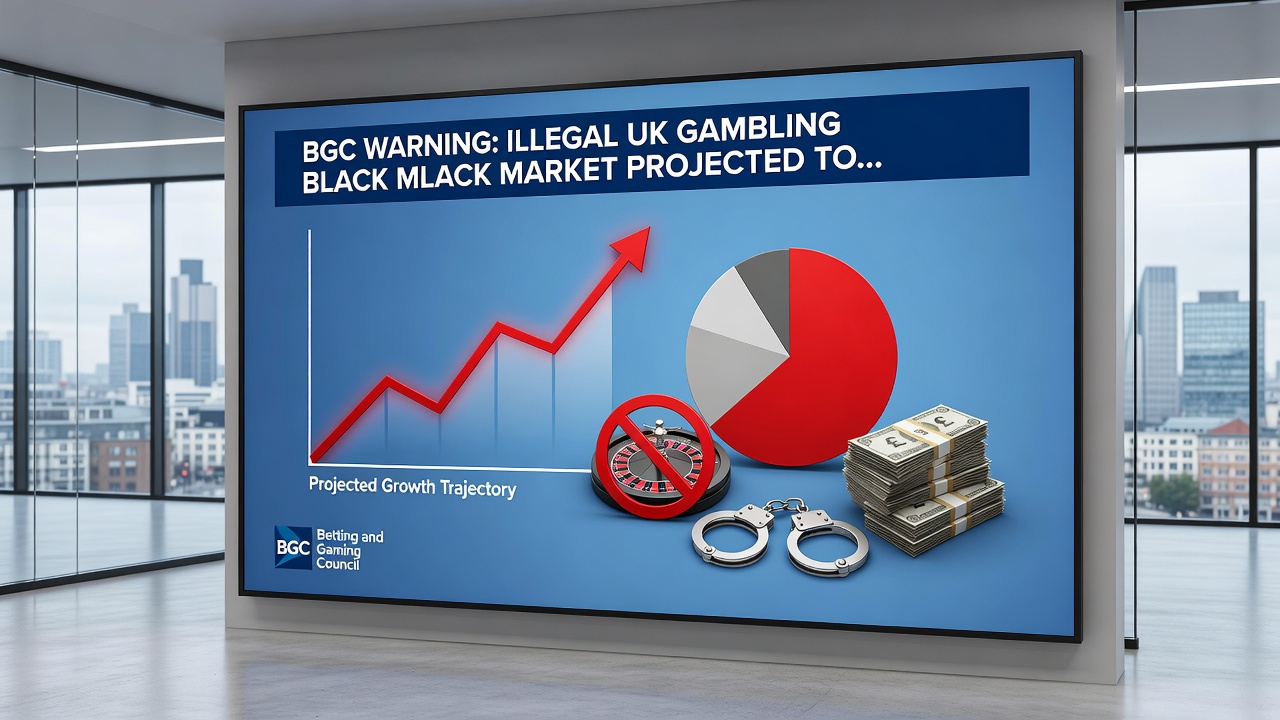
Traditional UK sports betting continues to handle substantial turnover, with the remote sector alone contributing significant gross gaming yield according to Commission statistics. Prediction markets, by contrast, operate on smaller scales in many jurisdictions but show rapid growth during major events. Data indicates that if participation continues at current rates, volumes could approach meaningful portions of certain betting categories, although they remain distinct from licensed sportsbooks in structure and regulation. Those monitoring the space highlight that prediction contracts often settle on binary outcomes, creating different risk profiles than standard match betting.
Compliance and Risk Considerations
Potential issues around compliance, insider trading, and broader influence on democratic processes have been raised in regulatory circles. The FCA's prohibition on binary options stems from concerns over product complexity and retail investor protection, while the Gambling Commission emphasises that unlicensed sports trading falls outside permitted activities. Reports from July 2026 note that platforms must navigate these overlapping rules when users from regulated markets participate. Observers have recorded instances where market movements preceded public announcements, prompting discussions about information flows and market fairness.
Industry Context and Future Developments
Established betting operators in the UK maintain licensed channels for sports and political wagering where permitted, yet prediction markets occupy a separate category with distinct mechanics. Evidence from transaction monitoring shows crypto and VPN routes remain active, while authorities continue to issue guidance on licensed alternatives. Researchers tracking these patterns note that event calendars such as the 2026 World Cup and byelections create recurring windows of heightened interest, with activity levels fluctuating accordingly. The reality is that regulatory responses may evolve as volumes and user numbers become clearer through ongoing data collection.
Conclusion
Activity around US-style prediction markets among UK users has aligned with specific 2026 events and regulatory boundaries. Available figures and reports outline the methods of access, the scale relative to traditional markets, and the compliance questions that accompany such participation. As the year progresses, further data from the Gambling Commission and related bodies will provide additional clarity on volumes and enforcement outcomes.