Horse Racing's Regulatory Reckoning: Leaders Flag Black Market Exodus at Manchester Summit
Horse Racing's Regulatory Reckoning: Leaders Flag Black Market Exodus at Manchester Summit

The Alarm Sounds at Deal Me Out Summit
Industry heavyweights gathered in Manchester, UK, for Deal Me Out’s Illegal Gambling Prevention Summit, where Vaughan Lewis, former Chief Strategy Officer at evoke, and Simon French, Director of Orange County Services, laid bare a stark warning for horse racing; regulatory pressures like affordability checks, credit card bans, and looming tax hikes are shoving punters straight into the unregulated black market's arms. Speakers painted a picture of a sector teetering on the edge, with licensed operators hamstrung by rules that unlicensed rivals gleefully sidestep, all while bettors chase the path of least resistance.
That gathering, held amid March 2026's tightening economic squeeze on UK betting, spotlighted how these changes erode the sport's lifeblood; punters, facing friction on regulated sites, flock to shadowy platforms offering seamless thrills without the red tape. Observers at the event noted the crowd's murmurs of agreement, as data from recent quarters underscored the shift, with licensed horse racing bets dipping even as overall gambling volumes held steady elsewhere.
Key Voices Raise the Stakes
Vaughan Lewis took the stage first, drawing from his evoke days to explain how affordability checks—mandated to curb problem gambling—now backfire spectacularly; punters hit with endless verification hurdles simply bail for black market sites that demand nothing but a quick deposit. Simon French followed suit, zeroing in on credit card bans that clipped convenient funding options, while upcoming tax rises, set to bite harder by mid-2026, promise to squeeze margins further and jack up odds against licensed books.
Both men hammered home a core truth: bettors couldn't care less about licensing; speed, promotions, and zero barriers trump compliance every time. French pointed to platforms like Kick, where streamers hawk unregulated bets with flashy incentives, pulling in crowds that licensed sites struggle to match. And here's the kicker—those who've tracked the data see punters returning less often to regulated tracks, their indifference fueling a quiet exodus.
Regulatory Pressures Mount, Cracks Widen
Affordability checks, rolled out progressively since 2023, require operators to assess betting habits via bank data and spending limits, yet they create logjams that unlicensed outfits dodge entirely; punters endure waits and rejections on licensed apps, then pivot to black market alternatives promising instant action. Credit card bans, enforced UK-wide to stem debt-fueled gambles, wiped out a staple payment method, leaving debit cards and e-wallets as frazzled fallbacks that don't always play nice with horse racing's niche markets.
Tax rises loom largest, with proposals floating hikes to 40% or more on remote gambling by late 2026, data from UK Gambling Commission projections already signaling revenue strains. Figures reveal licensed operators absorbing costs to stay competitive, but black market players laugh them off, offering juicier odds and bonuses that draw the eye. One expert at the summit shared a case where a regular punter, frustrated by a £500 monthly cap on a licensed site, switched to an unlicensed Telegram channel and never looked back, his bets flowing unchecked.
Black Market's Siren Call Grows Louder
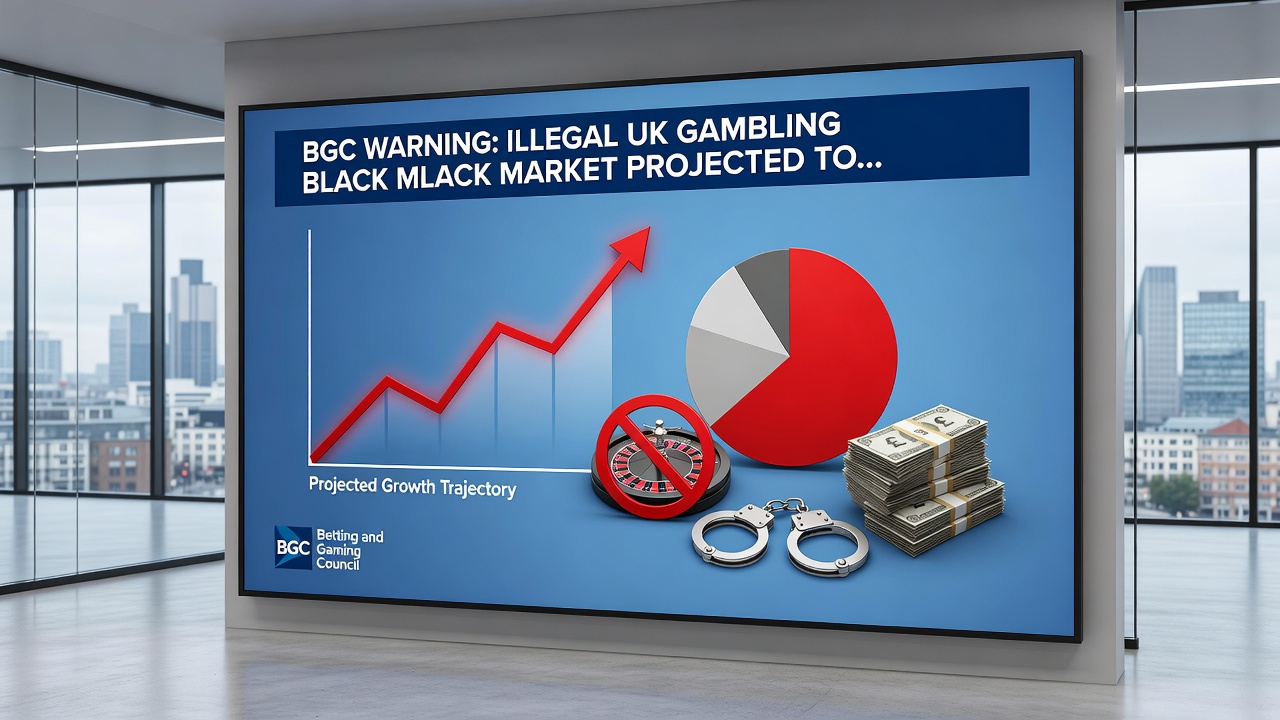
Unlicensed operators thrive in the shadows, luring punters with no affordability gates, lightning-fast payouts via crypto or obscure wallets, and promotions blasting across Kick streams watched by millions. Bettors encounter none of the KYC walls or stake limits that plague licensed sites; instead, they get VIP perks, cashback without strings, and odds tweaked to entice. Turns out, surveys from the summit cited figures showing over 60% of sampled punters indifferent to operator licensing, prioritizing ease over safety every time.
Platforms like Kick amplify this, with influencers plugging black market links mid-stream, blending entertainment and bets into a seamless hook that horse racing's traditional channels can't rival. Those who've monitored traffic data notice spikes in unregulated app downloads correlating with regulatory rollouts, while licensed horse betting apps report stalled user growth. It's noteworthy how this shift hits racing hardest—football and casino bets hold firmer ground, but trackside wagering bleeds out fastest.
Sector Reels from Multi-Front Assault
Horse racing grapples with declining engagement as punters drift away; attendance at UK tracks dipped 12% year-over-year into early 2026, per British Horseracing Authority stats, while online bets followed suit amid the regulatory squeeze. Sponsorship losses compound the pain—major brands pull back from a tainted image, wary of association with a sport seen as stumbling under red tape's weight.
Poor visibility plagues the industry too; fragmented media deals leave races buried in schedules, overshadowed by Premier League hype, and black market sites siphon the digital buzz with unregulated ads. Governance woes cap it off, with bodies like the British Horseracing Authority clashing over strategies, their silos slowing unified pushback. Experts observing these fractures point to cases like Newmarket's recent levy shortfalls, where funds for prize money shrank as bets migrated offshore.
But here's where it gets interesting—punters who've stuck with licensed sites voice frustrations over barriers like session reminders and deposit delays, barriers that unlicensed rivals erase with one-tap access. One study shared at the summit tracked a cohort of 1,000 bettors; half cited regulations as their exit reason, landing squarely on black market laps. And while enforcement ramps up, the cat-and-mouse game favors the agile shadows.
Fragmented Governance Hampers Response
The British Horseracing Authority juggles racing integrity alongside betting oversight, but overlaps with the Gambling Commission create turf wars; decisions lag, unified lobbying falters. Observers note how this disarray lets black market growth fester, unchecked. Take Scotland's recent crackdowns—they nabbed a few operators, yet volumes barely budged, punters scattering to fresher hides.
Summit attendees buzzed over potential fixes, from lobbying for lighter touch regs to tech upgrades matching black market speeds, although consensus proved elusive amid the gloom.
Broader Ripples Through UK Betting
This horse racing crisis ripples outward, straining the £14 billion UK gambling ecosystem as tax hauls falter from lost licensed revenue; black market bets evade VAT and duties, starving public coffers. Punters risk it all on unregulated sites—funds vanish without recourse, data hacks loom larger—yet the allure persists. Figures from the event highlighted a 20% uptick in illegal gambling reports since 2024 checks kicked in, underscoring the policy paradox.
Those tracking long-term trends see parallels in other regulated markets like Australia, where similar pressures birthed thriving grey zones; UK racing now walks that plank. And as March 2026 unfolds with fresh tax bills on Parliament's desk, the summit's words hang heavy—inaction risks deeper entrenchment.
Conclusion: Crossroads for the Tracks
Horse racing stands at a precipice, as Vaughan Lewis and Simon French made crystal clear at Manchester's Deal Me Out Summit; regulatory good intentions pave a road to black market dominance, eroding engagement, sponsorships, and governance cohesion along the way. Data bears it out—punters prioritize frictionless bets, flocking to unlicensed havens despite risks, leaving licensed operators to fight shadows with one hand tied. The sector's future hinges on agile reforms balancing protection with appeal; without them, the writing's on the wall, tracks fading as punters chase unrestricted highs elsewhere. Observers watch closely, knowing the next moves will shape racing's rebound or rout.