Black Market Operators Target Royal Ascot Stakes in June 2026
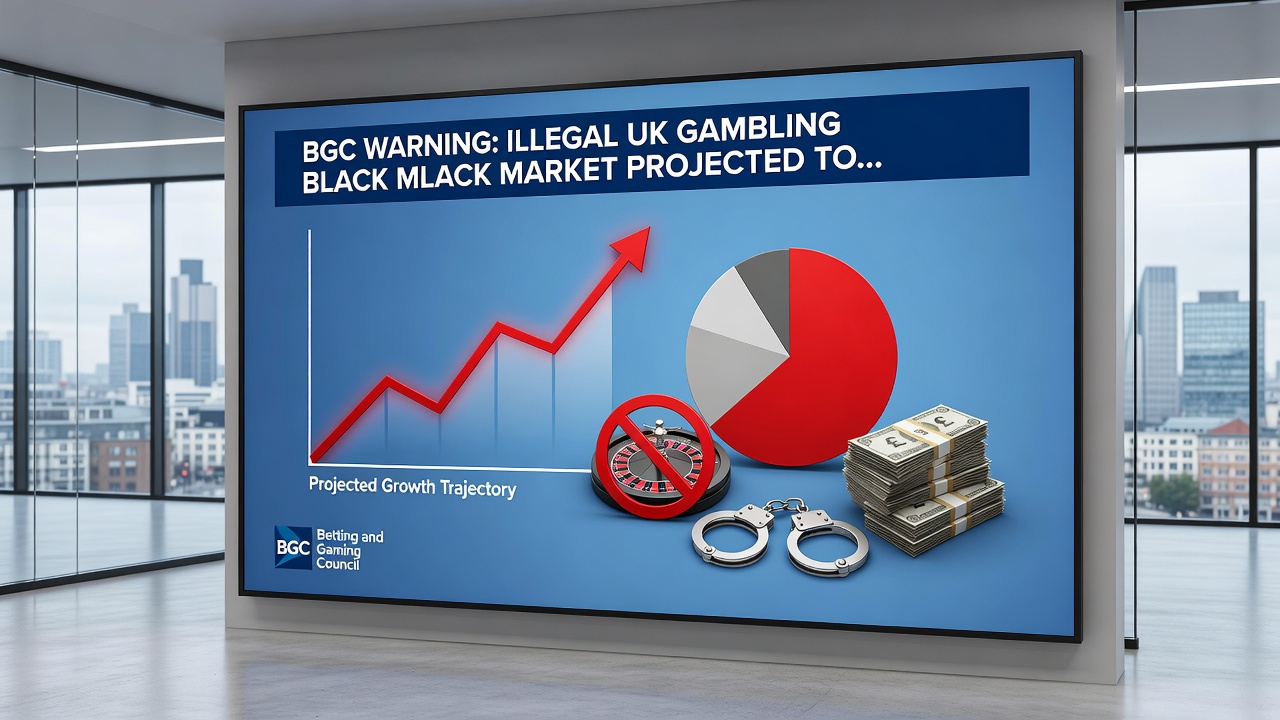
 The Betting and Gaming Council has issued a warning that illegal gambling operators stand to profit substantially from the Royal Ascot horse racing festival, which runs from 5 to 20 June 2026, with forecasts showing around forty million pounds expected to move through unregulated websites and offshore platforms during that window. This projection forms part of wider concerns about the expanding UK black market in gambling, where independent analysis indicates nearly half of all gambling advertising spend now flows toward unlicensed operators. Those figures reveal stakes in the black market could climb from seventeen billion pounds in 2026 to more than thirty-three billion pounds by 2028, creating an environment where consumers face fewer safeguards while legitimate sectors lose out on tax revenue and industry contributions.
Details Behind the Forty Million Pound Projection
According to the Betting and Gaming Council statement, the concentration of high-profile racing events at Royal Ascot draws significant betting interest each year, yet a growing share of that activity bypasses regulated channels. The forty million pound estimate covers stakes placed via sites that operate without UK licences, meaning they avoid standard requirements for age verification, responsible gambling tools, and contributions to racing levies. Observers note that this pattern repeats across major festivals, but the scale highlighted for 2026 underscores how quickly the unregulated sector captures market share when major events generate peak interest.
Independent analysis referenced in the warning shows the black market already accounts for nearly half of gambling advertising spend across digital platforms, a shift that allows unlicensed operators to reach potential customers before regulated firms can compete under stricter rules. The same data projects black market stakes rising from seventeen billion pounds in 2026 toward thirty-three billion pounds by 2028, reflecting sustained growth driven by both consumer migration and expanding promotional reach.
Policy Pressures and Market Shifts
The Betting and Gaming Council points to specific policy measures, such as higher taxes on licensed operators or stricter affordability checks, as factors that can accelerate movement toward illegal sites. These changes raise operating costs for compliant businesses while leaving unregulated platforms free to offer fewer restrictions, which in turn draws customers seeking simpler access or better odds. Data indicates that once consumers cross into the black market, they lose access to protections like self-exclusion schemes, dispute resolution services, and guarantees that winnings will be paid under UK oversight.
Those who have examined the figures note that illegal operators contribute nothing to tax receipts or to the funding streams that support British horseracing, including prize money and integrity measures. The absence of these contributions creates a structural imbalance where regulated operators bear the costs of compliance and industry support, while black market entities operate without equivalent obligations. The council's warning emphasises that this dynamic becomes more pronounced around high-visibility events like Royal Ascot, when betting volumes surge and the temptation to use unregulated alternatives grows.
Consumer Protection Gaps Highlighted
Regulated gambling sites in the UK must maintain standards for player safety, advertising accuracy, and financial transparency, yet unlicensed operators face no such requirements. The projected forty million pounds in black market stakes during the 2026 festival period therefore represents activity occurring outside any framework that ensures fair play or provides recourse for disputes. Research referenced by the Betting and Gaming Council shows that once stakes move offshore, consumers encounter platforms that may alter terms without notice or refuse payouts without regulatory consequences.
The independent analysis further reveals that black market advertising now captures nearly half of total spend in the sector, allowing these operators to build brand recognition through channels that regulated firms cannot match under current rules. This advertising advantage helps explain the projected rise in black market stakes from seventeen billion pounds in 2026 to over thirty-three billion pounds by 2028, as more customers become familiar with unlicensed options through repeated exposure.
Implications for Racing and Revenue
British horseracing relies on contributions from licensed betting operators to fund events, prize money, and anti-doping programmes. When stakes shift to unregulated platforms, those revenue streams shrink, even as overall betting interest remains strong. The forty million pounds forecast for Royal Ascot in June 2026 illustrates one concrete example of how a single festival can divert funds away from the sport's support system. Observers note that repeated across multiple events throughout the year, such diversions compound the financial pressure on racing organisations that depend on the regulated sector.
The Betting and Gaming Council statement connects these outcomes directly to policy choices around taxation and consumer checks, arguing that measures intended to increase oversight can inadvertently expand the reach of operators that provide none of the same safeguards. The data on projected growth to thirty-three billion pounds by 2028 suggests the trend will continue unless the balance between regulation and market access shifts.
Conclusion
The warning issued by the Betting and Gaming Council frames the forty million pound projection for Royal Ascot 2026 as part of a larger pattern in which black market gambling captures increasing shares of stakes and advertising spend. With independent figures showing movement from seventeen billion pounds in 2026 toward thirty-three billion pounds by 2028, the sector faces ongoing questions about how policy decisions affect the split between licensed and unlicensed operators. The absence of consumer protections, tax contributions, and racing support in the black market remains central to the concerns raised around the June 2026 festival period.