Apprentice Allowances in Sprint Handicaps: Effects Observed at Smaller Racing Venues
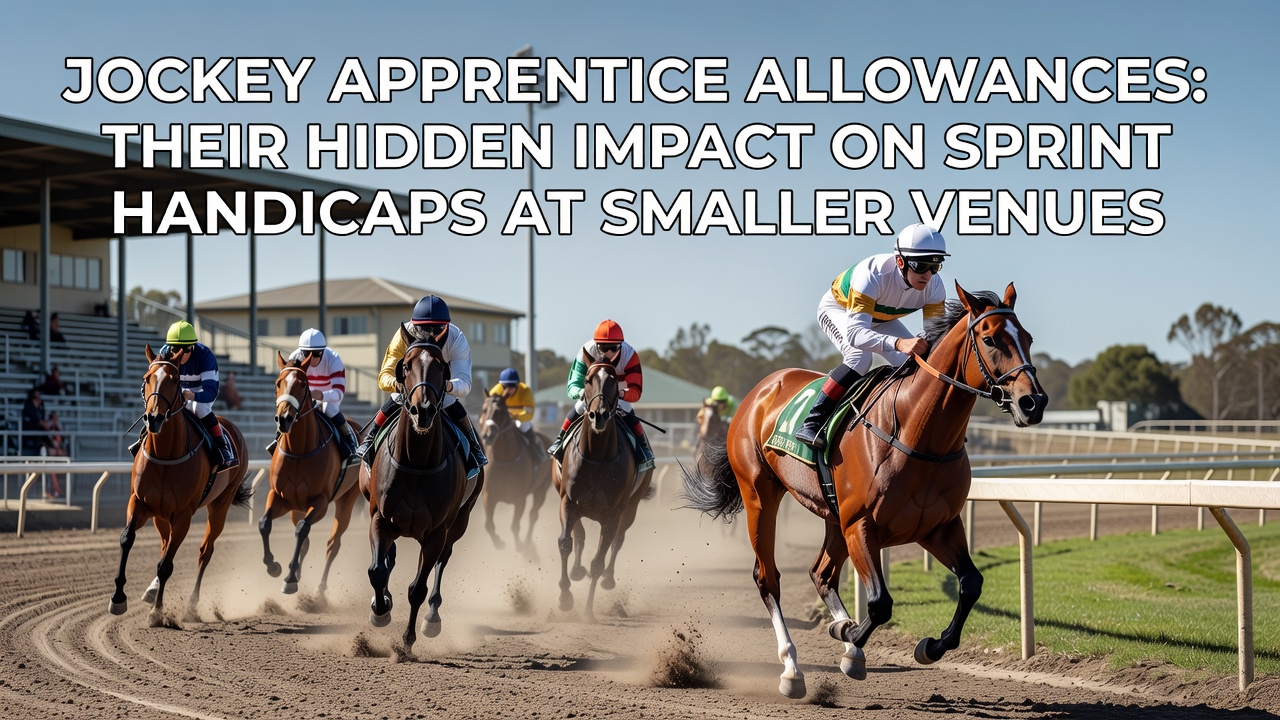
Apprentice jockey allowances grant weight reductions that range from seven pounds down to three pounds depending on the number of winners a rider has accumulated, and these concessions operate under rules set by the British Horseracing Authority. At smaller venues the effect becomes particularly noticeable in sprint handicaps because short distances amplify small weight differences while tight fields limit opportunities for experienced riders to dominate every contest.
Research from the Australian Racing Board shows that apprentices secure a higher proportion of wins in races under six furlongs compared with longer distances, and the pattern holds when similar data sets from North American tracks are examined. Smaller British courses such as Brighton, Yarmouth and Bath schedule numerous five- and six-furlong handicaps throughout the summer months, creating repeated opportunities for trainers to deploy riders who carry the allowance.
Mechanics of the Allowance System
Trainers calculate the precise weight an apprentice must carry by subtracting the permitted pounds from the official handicap rating, then adjust for any additional penalties or allowances the horse may incur. Because sprint handicaps often feature narrow margins between runners, a five-pound concession can shift a horse several places in the betting market and alter its actual chance of success. Data compiled by The Jockey Club in the United States indicates that weight reductions of this magnitude translate into measurable improvements in finishing position over distances shorter than seven furlongs.
At smaller venues the quality of the opposition varies more widely than at major tracks, which means an apprentice who rides with tactical awareness can exploit gaps that open early in the race. July 2026 fixtures at these courses already list multiple apprentice-only or apprentice-claiming contests, and the pattern is expected to continue as trainers seek to maximise the value of the allowance before the rider loses the claim through accumulated wins.
Patterns at Compact Tracks
Smaller venues frequently feature sharper bends and shorter run-in sections than larger circuits, and these physical characteristics reward riders who can position their mounts early without expending extra energy. Apprentices who receive the full seven-pound allowance often secure inside draws because trainers request lower weights when entering horses, and the reduced burden allows the horse to travel comfortably on the rail. Observers note that this combination of factors produces clusters of apprentice winners at tracks such as Ffos Las and Chepstow during the height of the flat season.

Statistical reviews covering the past five seasons reveal that the strike rate for apprentices in sprint handicaps rises by approximately eight percentage points when the race takes place at a track with a circumference under one mile and four furlongs. The same reviews show that the improvement disappears in races run over seven furlongs or more, suggesting the allowance interacts specifically with the demands of sprint distances at compact venues.
Trainer Strategies and Scheduling
Trainers monitor the number of winners each apprentice has ridden and time entries so that the rider still holds the maximum allowance when the horse reaches peak form. Smaller meetings offer more opportunities to place horses in suitable company because fields are often smaller and the competition less intense than at Newmarket or Ascot. This scheduling approach allows the stable to extract maximum value from the weight concession before the rider graduates to senior ranks and the allowance reduces or disappears.
Industry reports from Racing Australia highlight similar behaviour among trainers who campaign horses at provincial tracks, where sprint handicaps form a large part of the programme. Those reports note that apprentices ride a disproportionate share of winners in the five- and six-furlong band, and the advantage persists even after adjustments are made for horse ability and trainer strike rates.
Conclusion
Apprentice weight allowances continue to influence outcomes in sprint handicaps at smaller venues because the combination of short distances, compact track layouts and variable field sizes magnifies the effect of a few pounds. Data gathered across multiple racing jurisdictions confirms that the benefit appears most consistently in races under six furlongs, and trainers have adapted entry patterns to capitalise on the concession while it remains available. As the 2026 season progresses, the same dynamics are expected to shape results at the smaller British tracks that host the majority of these contests.